UK Office (HQ)
Address
Onnu Ltd, York House, York Road, Maidenhead, SL6 1SF,
United Kingdom


We see biomass pyrolysis and biochar as the most accessible and scalable of all engineered carbon removal processes, thanks to its relative simplicity, and ability to support profitable business models.
To ensure this sector thrives, and can have a game-changing impact in the fight against climate change, Onnu seeks to remove barriers to scaling, both for our own business and others, to expand and grow the market.
By 2030 we will have played our part building a world where no biomass is wasted, pyrolysis routinely generates localised green energy, biochar use is widespread and biochar CDR is removing mega tonnes of CO2 from the atmosphere.
Our CarboFlow technology delivers clean energy, while capturing carbon, manufacturing biochar and investing in local circular economies.
By 2030, we aim to have facilitated the annual delivery of:
of carbon
removed
biochar
manufactured
of clean energy generated
operational pyrolysis sites

Address
Onnu Ltd, York House, York Road, Maidenhead, SL6 1SF,
United Kingdom

Address
21 Dreyer Street, Claremont,
Cape Town 7780,
South Africa
Phone

Address
A-29-8, Menara UOA Bangsar, Jalan Bangsar Utama 1, Bangsar 59000, Kuala Lumpur
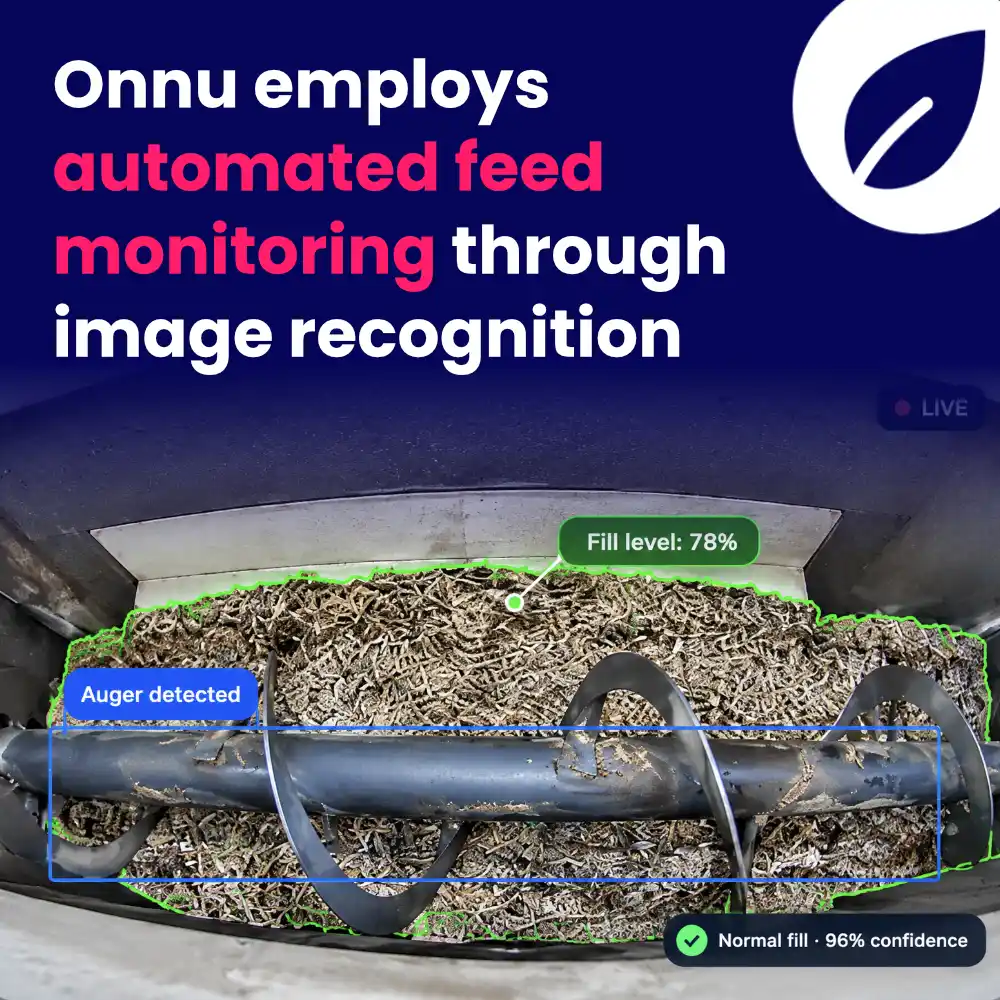
Onnu has recently partnered with AI implementation specialist for engineering firms, Mainspring AI, to add automated feed monitoring capabilities to its current and future CarboFlow installations.
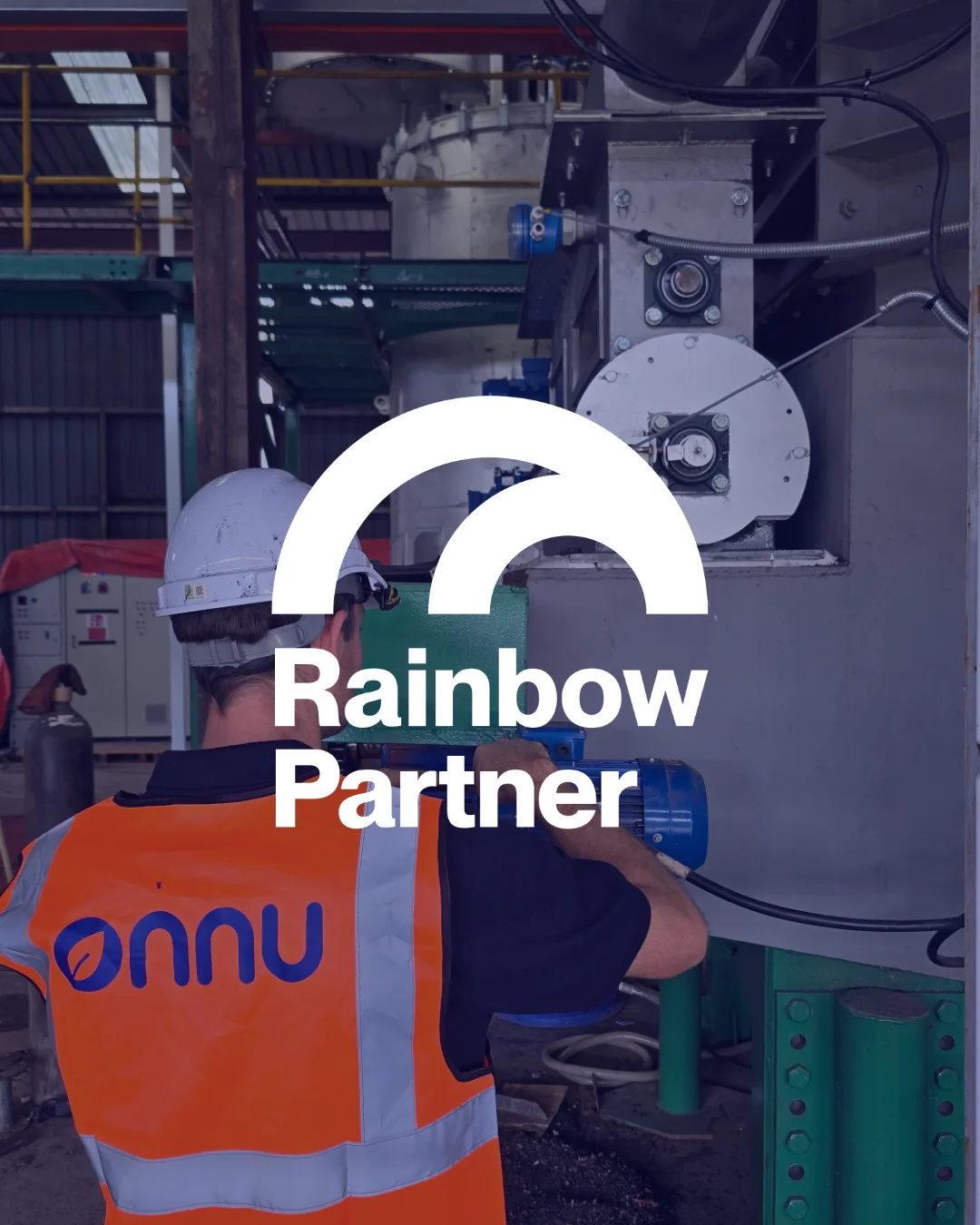
We’re pleased to announce that, following a vetting process and thorough assessment of our CarboFlow technology, Onnu has been approved as an official Rainbow Partner in the Industrial Biochar Tech Manufacturer category.
The true foundation of your project's effectiveness and profitability is your feedstock. In this blog, we break down three of the most important considerations when it comes to feedstock planning: chemical properties, moisture levels, and supply chain security.