
Green Hub UK (coming soon)
Green Hub 1 is the first project among a series of pyrolysis projects to be developed in the UK that will pyrolyze problematic waste biomass into biochar and green energy while sequestering carbon.
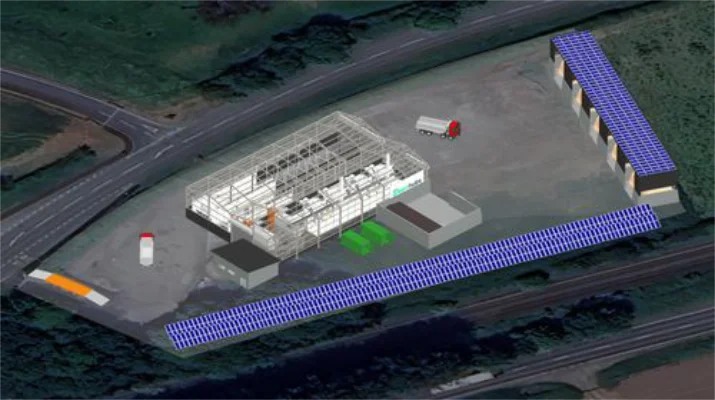
Green Hub UK
Green Hub 1 is the first project among a series of pyrolysis projects to be developed in the UK that will pyrolyse problematic waste biomass into biochar and green energy while sequestering carbon.


The opportunity
The Wye valley is facing severe ecological damage from harmful algae blooms. This imminent threat to rare and protected wildlife species has resulted in a growing public and political outcry.
A crucial contributor is the local intensive poultry farming, as the storage and land application of the poultry litter generated causes severe ecological damage through run-off, leading to the spread of algal blooms.


The Project
The green and arboricultural waste streams (like grass clippings, tree branches, and leaves) emit significant methane and CO2 emissions from current disposal methods like landfills, composting and anaerobic digestion. Furthermore, seasonal surges in green waste can overwhelm composting facilities, leading to inefficiencies, slower processing, and contamination of the compost, further reducing its quality. Some of these waste biomass streams are stored and directly applied on land, leading to polluted run-offs entering the river Wye, causing algal blooms and threatening the eco-system.
Onnu has developed a unique, biosecure solution for poultry litter pyrolysis that converts poultry litter into biochar, effectively preventing the run-off damage while sequestering carbon and generating green energy along the way.
The result
The biochar produced on the site will be primarily used as a soil additive that will promote regenerative agriculture, resulting in improved crop yields. It will also be used as an additive in concrete, reducing emissions from the energy-intensive concrete manufacturing process.
The advent of AI has been accompanied by a huge surge in energy demand for running the data centres. Our green electricity powers these gen-AI tasks and contributes towards driving a greener future by reducing their dependency on fossil-fuel powered grids.
Our project diverts waste regularly from landfills and river runoffs, effectively upcycling it into a climate positive solution. This not only promotes good waste management practices but also prevent the water pollution and damage in the Wye valley.
The project will provide employment opportunities to the local population in the climate action sector. It will also act as a centre of education, as we will share all information with the farming industry in terms of poultry litter processing, net zero impact, biochar applications and local energy usage to help improve farming practices.
Additionality
While delivering the outcomes seen with many biomass pyrolysis projects, the elimination of the catastrophic pollution caused by the feedstock’s current endpoint hugely increases the overall environmental impact of the project. A large percentage of project revenue comes from the sales of CORCs. Without carbon finance, the project would not be undertaken as the feedstock does not produce large amounts of excess energy to be sold, and the upfront cost of the pyrolysis equipment and biosecurity requirements means the plant would not be economically viable without carbon credits being produced and sold.
Our Projects
Green Hub Asia
ReGenEarth (COMING SOON)
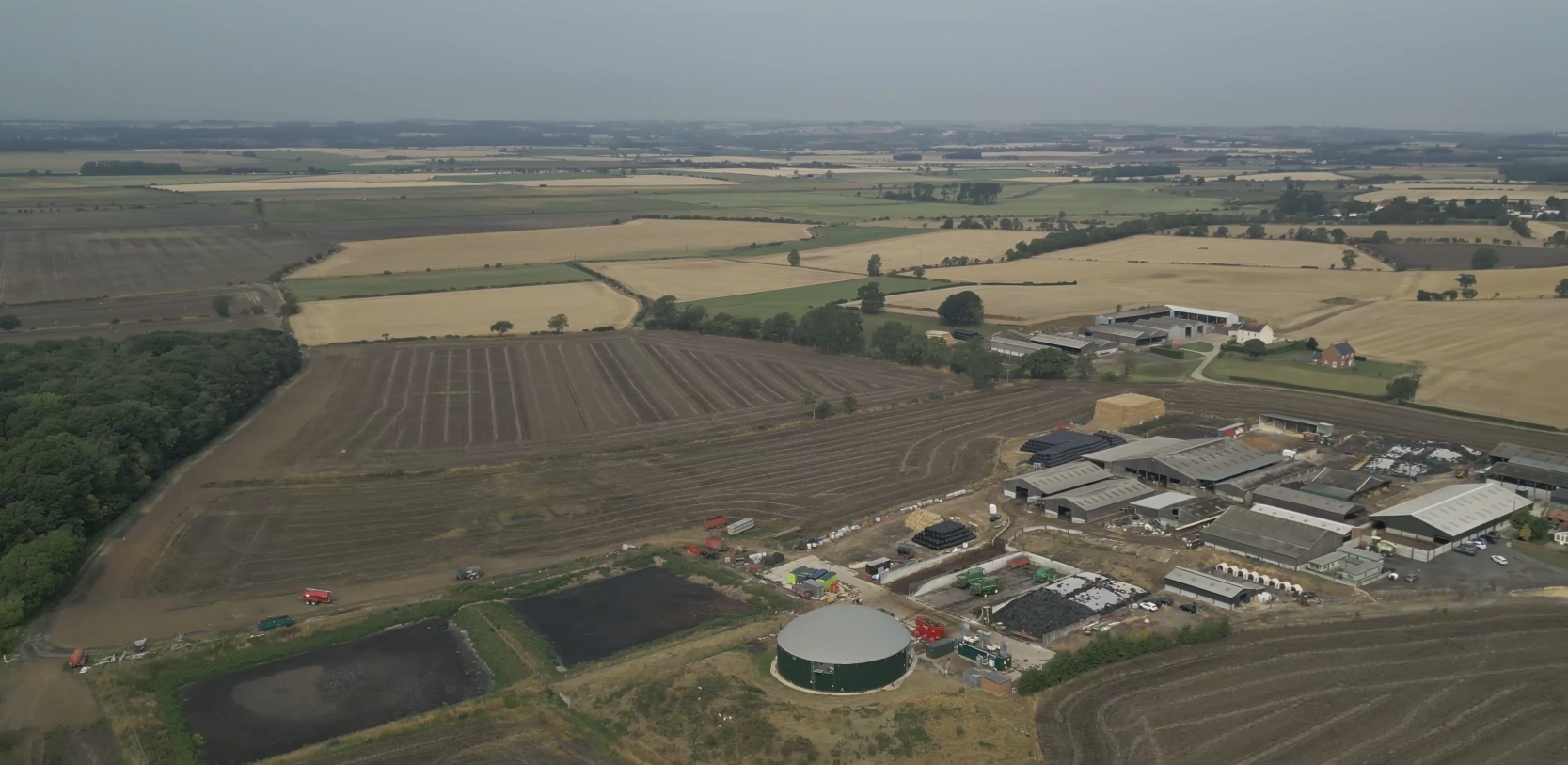
Green Hub UK