ReGenEarth (coming soon)
Upcycling AD Digestate into biochar, carbon removal and green energy.
ReGenEarth (COMING SOON)
Pyrolysis of AD digestate and arboreal residues to produce biochar, carbon credits and green energy for reducing fertiliser dependencies and meeting day-to-day energy requirements.


Project Summary
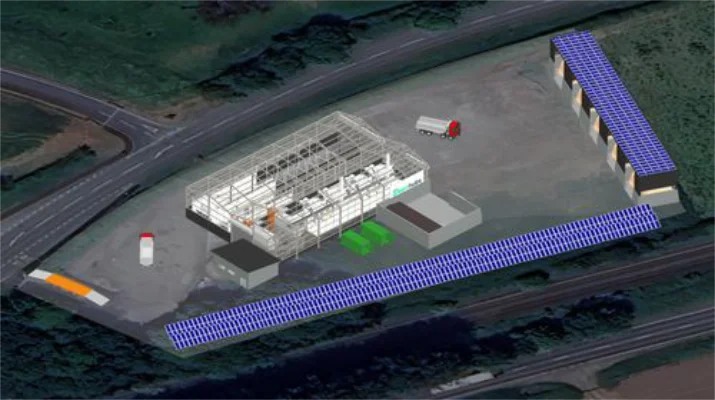
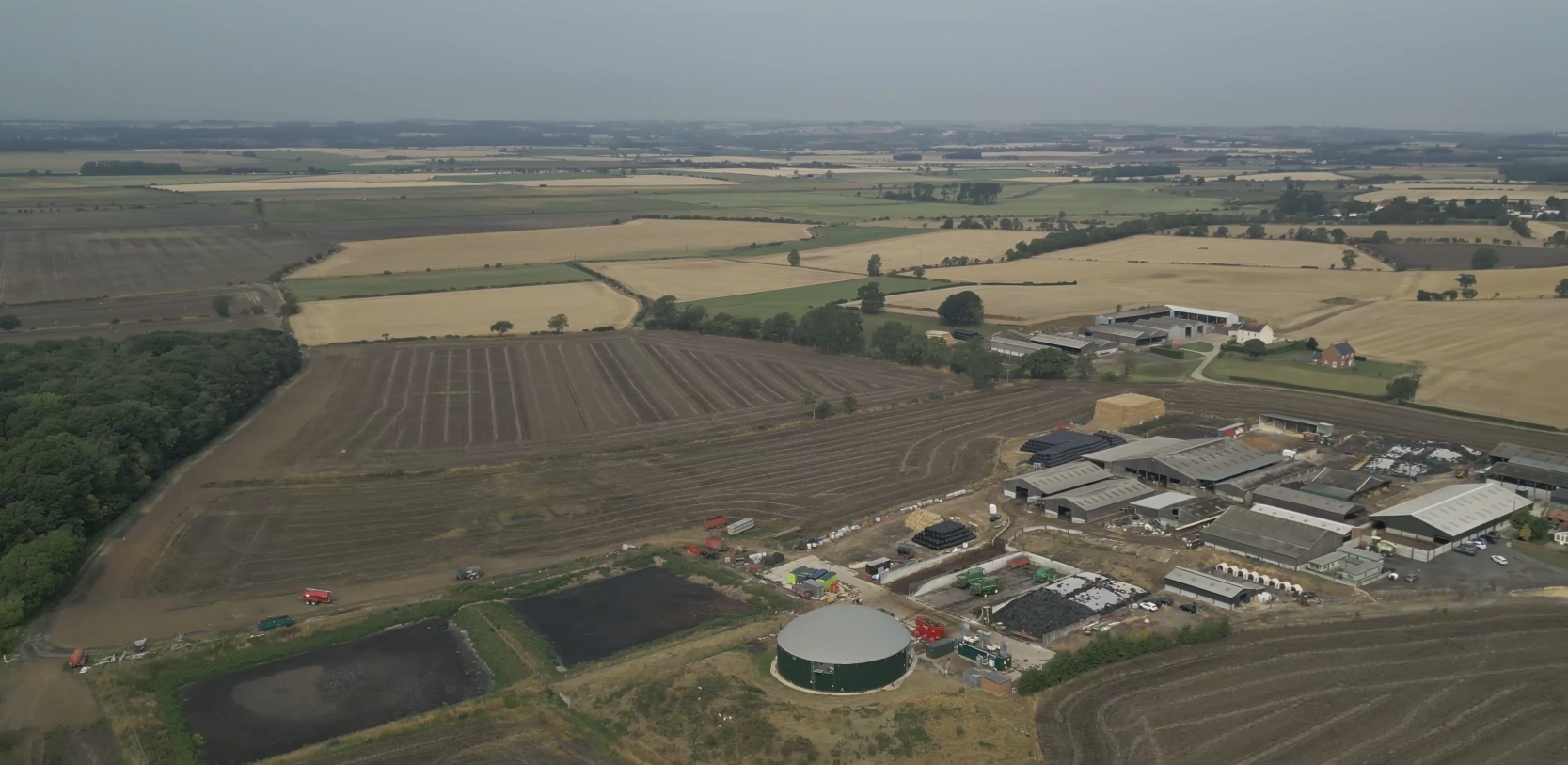
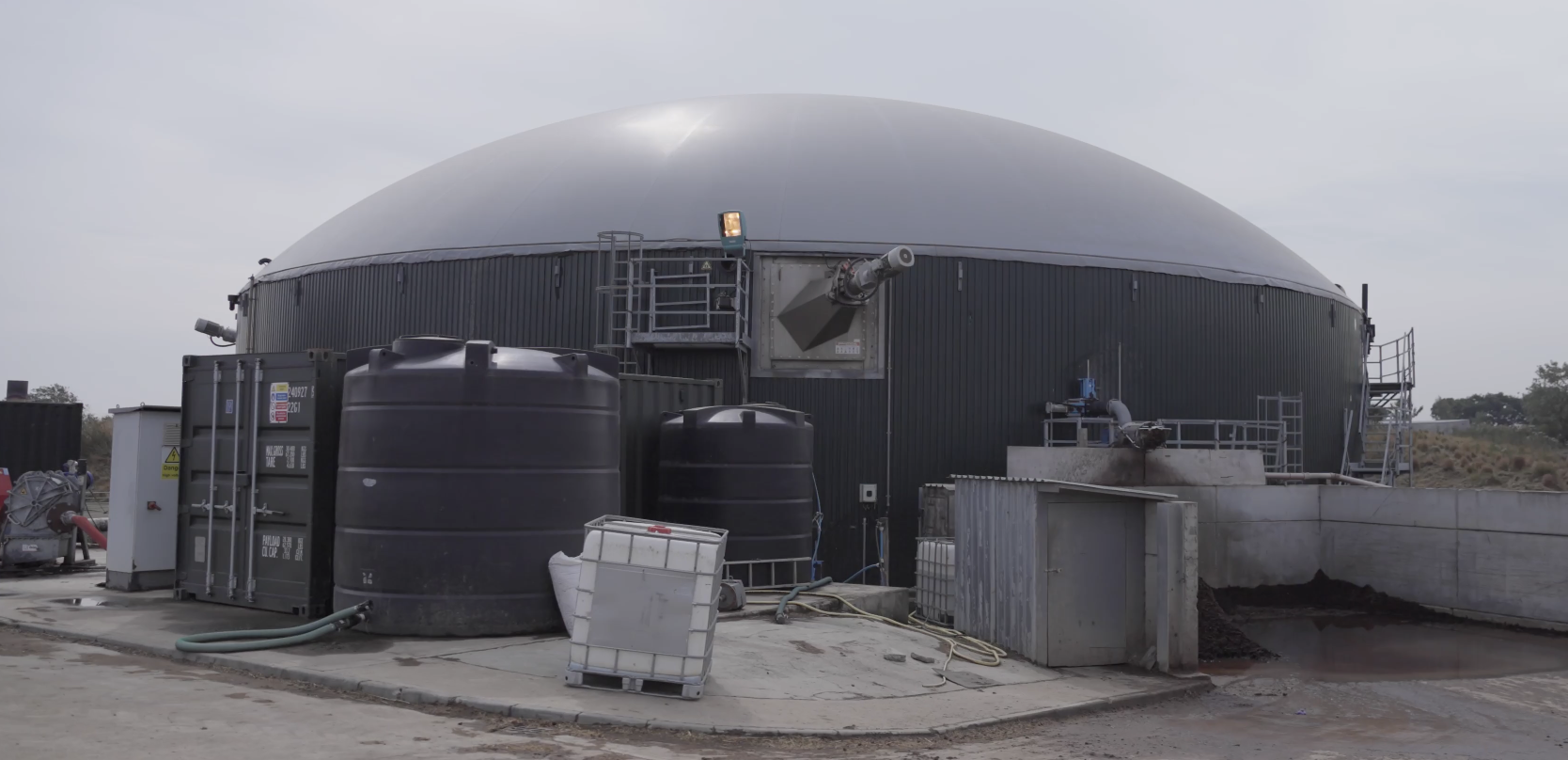
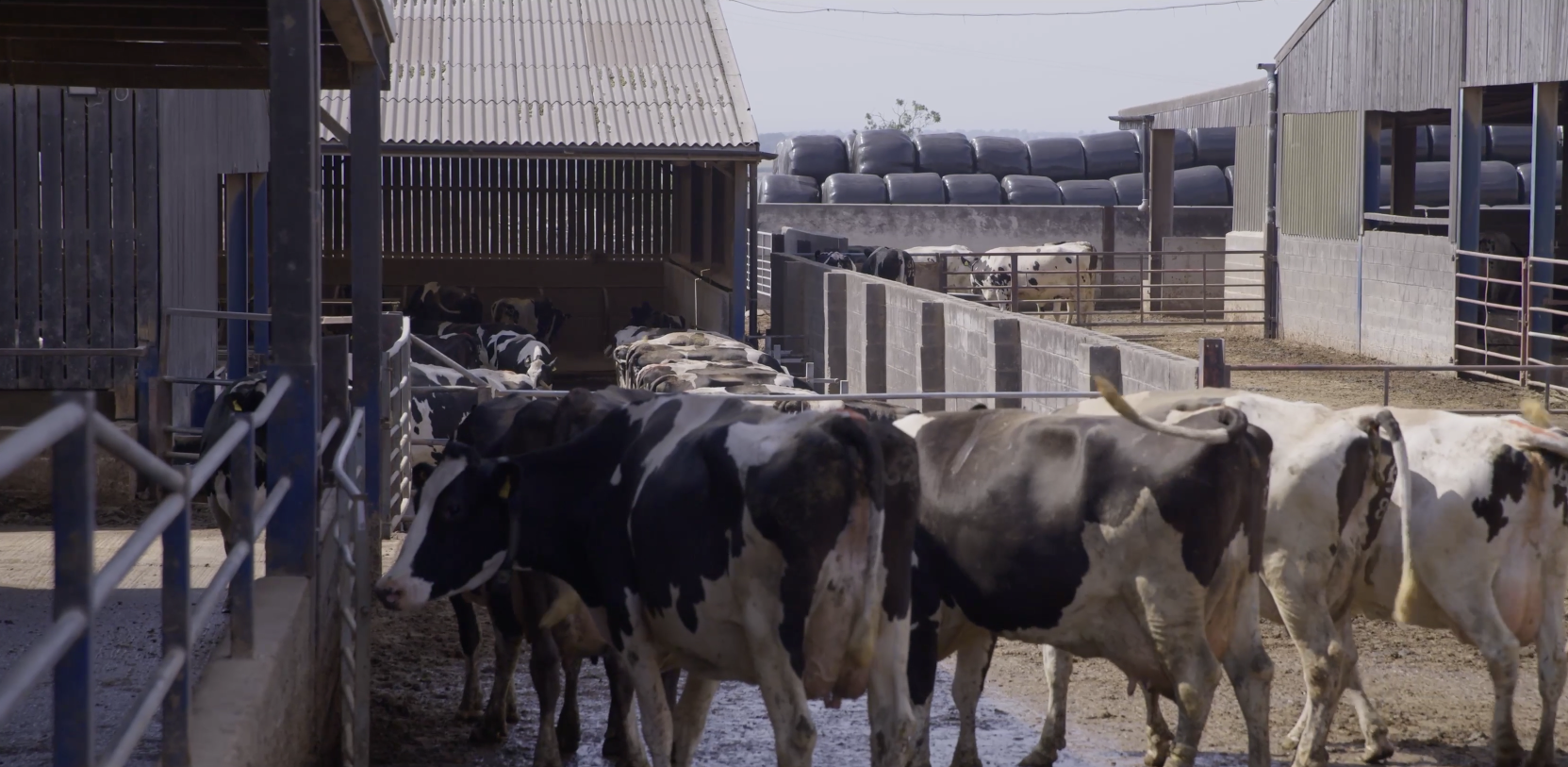
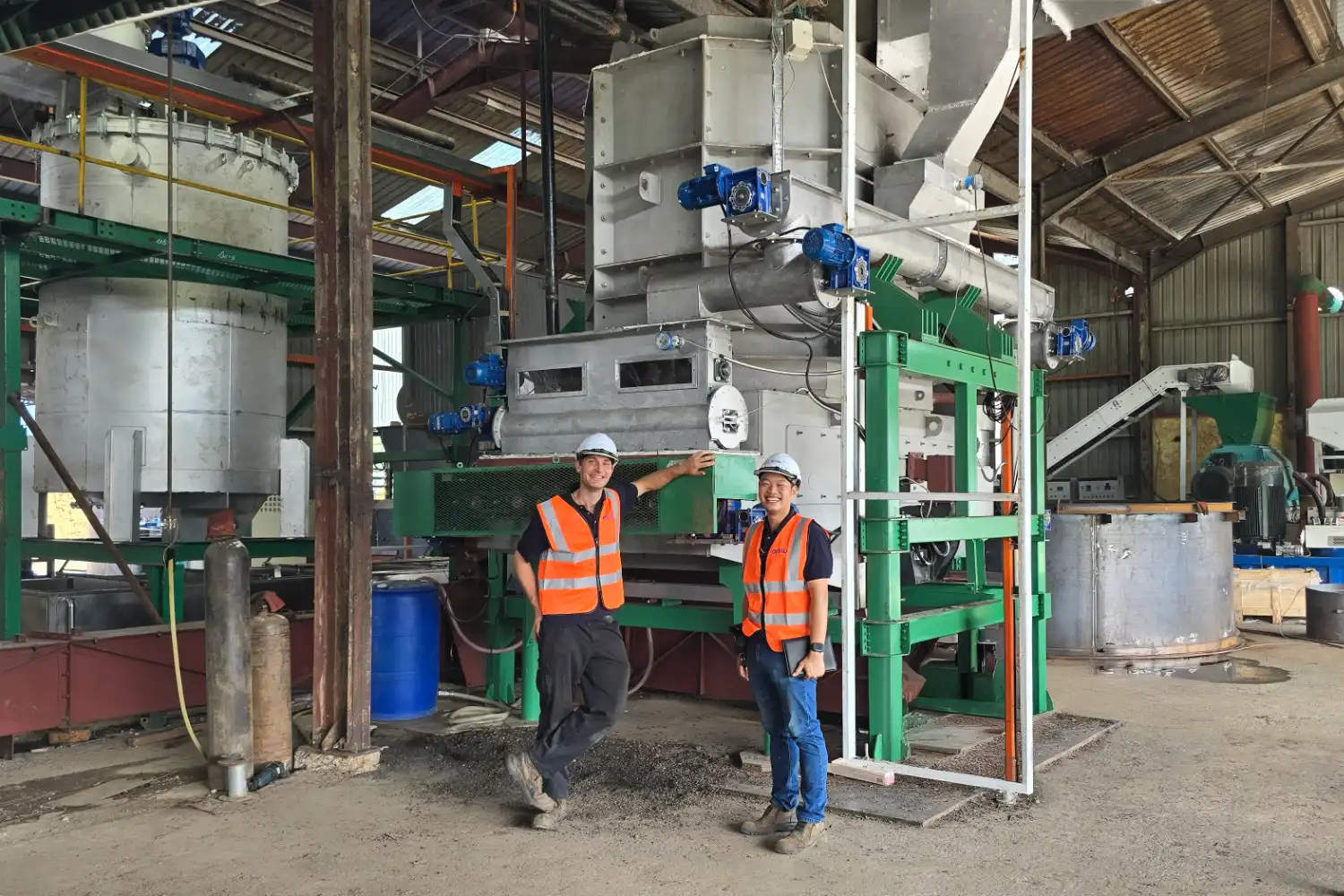
ReGenEarth has partnered with Onnu to install a dual pyrolysis plant at their AD site in Sedgefield. With two CarboFlow machines on site, one unit will pyrolyse AD digestate, while the second will process locally sourced arboreal residues. Together, the system will generate enough energy to dry the digestate, making the entire process self-sustaining and circular. The Sedgefield site is currently under construction and is targeted to go live in December 2025, setting the model for future projects that integrate anaerobic digestion and pyrolysis at scale.
With Onnu’s technology, the project is expected to deliver:
- 2,266 tonnes of biochar produced annually.
- 2.8 MW of renewable heat generated - enough to power all drying operations.
- 4,300 tonnes of CO₂e removed annually, eligible for carbon credits.
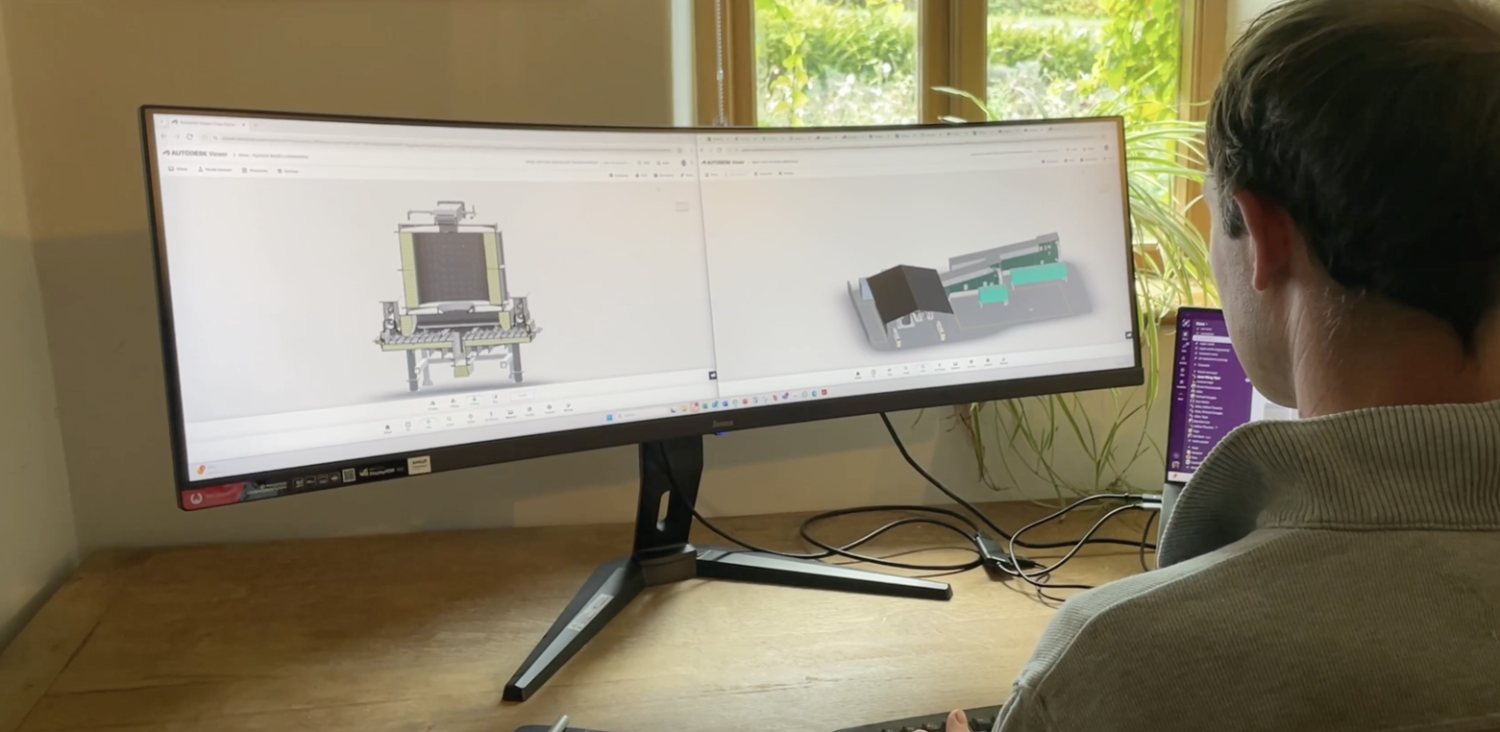
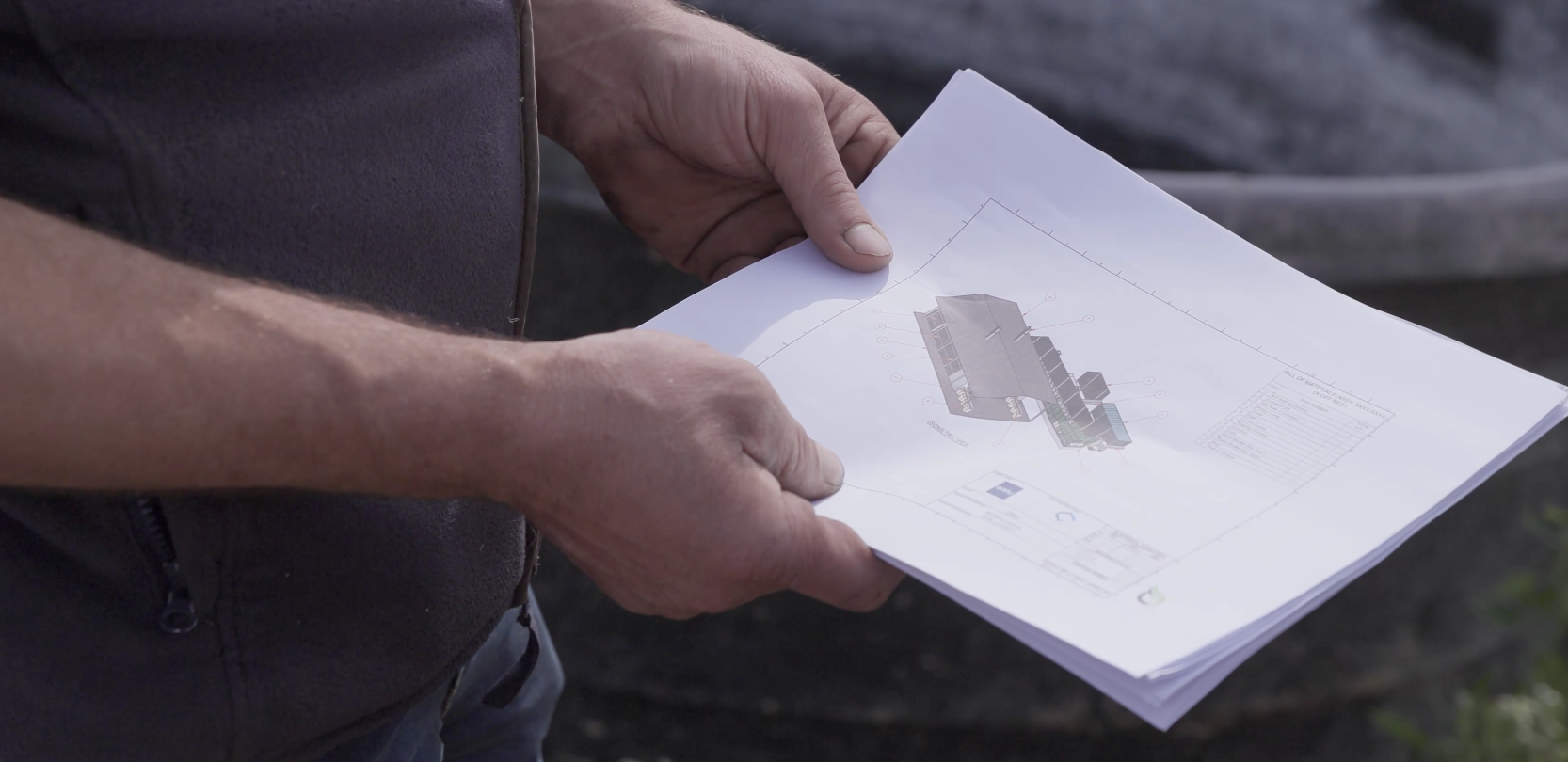
With the backing of a £100 million Green Bond programme launched in partnership with RER Capital, ReGenEarth is building a portfolio of integrated AD and pyrolysis projects across the UK. Each site will feature advanced feedstock and provenance tracking, ensuring transparency and maximising value in the voluntary carbon credit markets.
At their Sedgefield site, the installation of dual CarboFlow units, paired with existing AD infrastructure, creates a truly circular model:
Fully Commercialising Digestate – Instead of being land spread in wet form, digestate will be dried and pyrolysed, producing biochar and carbon credits.
Local Biomass Utilization – Arboreal residues from the surrounding region provide a second feedstock stream, diversifying inputs to spread risk, and expanding carbon removal capacity.
Self-Sustaining Energy Loop – The pyrolysis process generates enough heat to dry digestate on-site, creating a closed-loop system with minimal external inputs.
Not only does pyrolysis help process an underutilized biomass product, but the biochar produced at Sedgefield will also:
- Permanently lock away carbon for 100s of years, delivering measurable climate benefits.
- Improve soil fertility and structure by enhancing nutrient retention and water-holding capacity.
- Reduce fertiliser requirements and support resilient crop yields.
- Foster microbial activity, improving long-term soil health.
With Onnu as a trusted partner, ReGenEarth is pioneering a replicable model that we hope will be rolled out to AD sites across the UK and internationally, proving that carbon removal and agricultural productivity can go hand in hand.
Our Projects
Green Hub Asia
ReGenEarth (COMING SOON)
Green Hub UK